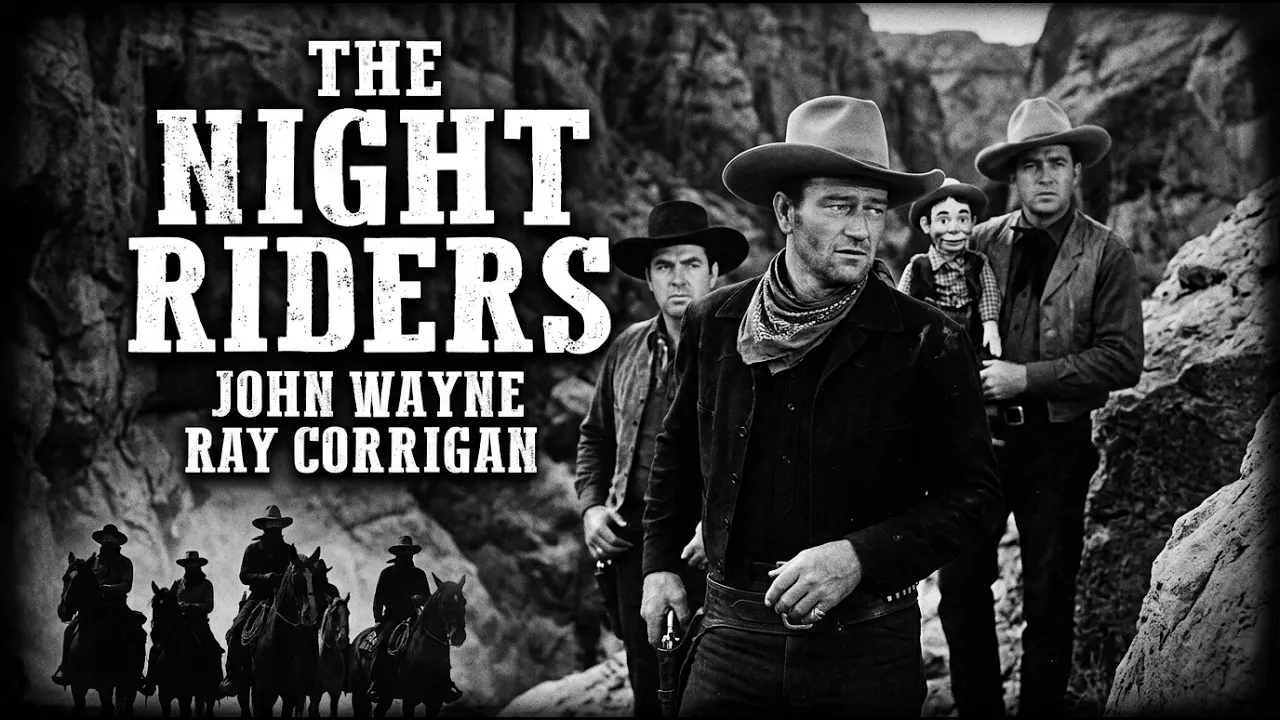
John Wayne: The Legendary Cowboy Who Defined the American Western

When people think of classic Western movies, one name stands above the rest: John Wayne. Known simply as "The Duke," John Wayne became more than just a movie star—he became an enduring symbol of courage, determination, patriotism, and the rugged spirit of the American frontier.
Across a career spanning more than five decades, Wayne appeared in over 170 films, many of which remain among the greatest Westerns ever made. Whether portraying a fearless lawman, a hardened rancher, a battle-tested cavalry officer, or a reluctant hero, John Wayne created unforgettable characters that continue to captivate audiences generations later.
If you're a fan of classic Western films, understanding John Wayne's career is like studying the foundation upon which the genre was built.
Early Life of John Wayne
John Wayne was born Marion Robert Morrison on May 26, 1907, in Winterset. His family later moved to Glendale, where he spent much of his childhood.
Ironically, Wayne had no intention of becoming an actor. He excelled in athletics and earned a football scholarship to University of Southern California. An injury ended his football career, leading him to seek work in Hollywood, where he initially found employment as a prop man and extra.
His towering 6-foot-4 frame and commanding presence soon attracted attention from directors.
The Birth of "The Duke"
The nickname "The Duke" actually came from Wayne's childhood dog, named Duke. Neighborhood friends often referred to Marion as "Little Duke" because he was constantly seen with the large Airedale Terrier.
The nickname followed him throughout his life and eventually became synonymous with one of Hollywood's greatest icons.
The Breakthrough: Stagecoach (1939)
While Wayne had appeared in dozens of low-budget Westerns during the 1930s, everything changed with the release of Stagecoach.
Directed by John Ford, the film transformed Wayne from a B-movie cowboy into one of Hollywood's biggest stars.
His portrayal of the outlaw Ringo Kid showcased:
- Quiet confidence
- Moral strength
- Physical toughness
- Charismatic screen presence
The famous introduction—Wayne twirling his rifle as the stagecoach approaches—is one of the most iconic shots in film history.
Many historians consider Stagecoach the movie that elevated Westerns into serious cinema.
John Wayne's Partnership with John Ford
One of the greatest actor-director collaborations in Hollywood history was between John Wayne and director John Ford.
Together they made numerous masterpieces, including:
- Stagecoach
- Fort Apache
- She Wore a Yellow Ribbon
- Rio Grande
- The Quiet Man
- The Searchers
- The Man Who Shot Liberty Valance
Ford pushed Wayne beyond simply playing heroic cowboys, encouraging performances filled with emotional complexity.
The Monument Valley Legacy
One of the defining images of classic Western cinema is John Wayne riding horseback through the towering red rock formations of Monument Valley.
John Ford frequently used Monument Valley as the backdrop for his Westerns, and Wayne became forever associated with its breathtaking landscape.
Today, many visitors travel to Monument Valley specifically because of its connection to John Wayne and classic Western filmmaking.
The Searchers: Often Called the Greatest Western Ever Made
No discussion of John Wayne is complete without mentioning The Searchers.
Wayne plays Ethan Edwards, a Civil War veteran whose niece has been kidnapped by Comanches. What follows is a years-long search across the American frontier.
Unlike many earlier Wayne characters, Ethan is deeply flawed.
He is:
- Haunted by war
- Consumed by revenge
- Emotionally isolated
- Morally conflicted
Modern critics frequently rank The Searchers among the greatest films ever produced—not merely among Westerns.
Many directors, including Steven Spielberg and George Lucas, have cited it as a major influence.
The Cavalry Trilogy
Wayne became closely associated with the U.S. Cavalry through three celebrated films:
- Fort Apache
- She Wore a Yellow Ribbon
- Rio Grande
Together, these films explored military duty, leadership, honor, sacrifice, and frontier life while showcasing spectacular Western landscapes.
True Grit: The Oscar-Winning Performance
Although Wayne had been nominated previously, he finally won the Academy Awards for Best Actor for his unforgettable performance as Rooster Cogburn in True Grit.
Rooster Cogburn differed from Wayne's earlier heroes.
He was:
- Older
- Gruff
- Weathered
- Imperfect
- Surprisingly humorous
His portrayal demonstrated that Wayne could evolve with age while remaining one of America's biggest stars.
The famous line,
"Fill your hand, you son of a—"
has become one of the most quoted moments in Western history.
The Cowboys: Passing the Torch
Released in 1972, The Cowboys remains one of Wayne's most beloved later films.
Unable to hire adult ranch hands, Wayne's character recruits a group of schoolboys to drive cattle across dangerous territory.
The movie combines action, humor, mentorship, and emotional storytelling, culminating in one of the most memorable endings in the genre.
Rooster Cogburn
Wayne reprised his Oscar-winning role in Rooster Cogburn alongside Katharine Hepburn.
The chemistry between the two legendary stars made for an entertaining blend of Western action and comedy.
The Shootist: John Wayne's Final Film
Wayne's last movie, The Shootist, is widely regarded as one of cinema's most fitting farewells.
Wayne portrays aging gunfighter J.B. Books, who is dying of cancer and seeks one final measure of dignity.
Knowing Wayne himself had battled cancer adds tremendous emotional weight to the performance.
Many fans consider The Shootist the perfect conclusion to his remarkable career.
Why John Wayne Became an American Icon
Several qualities separated Wayne from other Western stars.
Unmistakable Screen Presence
Few actors could command the screen through posture, facial expressions, and voice alone.
Authenticity
Wayne seemed believable whether riding horseback, handling cattle, or confronting outlaws.
Moral Authority
Even when portraying flawed characters, audiences often viewed Wayne as representing justice and perseverance.
Memorable Voice
His slow, confident delivery became instantly recognizable.
Timeless Appeal
His films continue attracting viewers decades after their release.
Best John Wayne Western Movies
If you're just beginning your John Wayne journey, these films belong at the top of your watch list:
- The Searchers
- Stagecoach
- True Grit
- The Man Who Shot Liberty Valance
- Rio Bravo
- Red River
- The Cowboys
- El Dorado
- Big Jake
- The Shootist
These films showcase different eras of Wayne's career and demonstrate why he remains the face of the Western genre.
John Wayne's Lasting Influence on Western Cinema
Countless actors have drawn inspiration from John Wayne's performances, including Clint Eastwood, Kevin Costner, Sam Elliott, and Tom Selleck. His influence can also be seen in modern Western films and television series that emphasize stoic heroes, sweeping landscapes, and moral choices.
Wayne helped establish many of the storytelling conventions audiences now associate with Westerns: the reluctant hero, the code of honor, the importance of community, and the tension between civilization and the untamed frontier. Even filmmakers who challenged or reimagined the genre often did so in conversation with the legacy he helped create.
Frequently Asked Questions About John Wayne
What was John Wayne's real name?
John Wayne was born Marion Robert Morrison, though he was also known for a time as Marion Mitchell Morrison after his family circumstances changed.
How many movies did John Wayne make?
John Wayne appeared in more than 170 films during a career that stretched from the silent era into the 1970s.
Did John Wayne win an Oscar?
Yes. He won the Best Actor Oscar for his performance as Rooster Cogburn in True Grit (1969).
What is considered John Wayne's best Western?
Many critics regard The Searchers as his greatest Western, while fans also rank Stagecoach, True Grit, Rio Bravo, and The Man Who Shot Liberty Valance among his finest work.
Why was John Wayne called "The Duke"?
The nickname came from his childhood dog, Duke. Friends began calling young Marion "Little Duke," and the name stayed with him throughout his life.
Final Thoughts
More than four decades after his final film, John Wayne remains the defining face of the American Western. His performances combined quiet confidence, physical presence, and emotional depth in a way that few actors have matched. Whether you are revisiting timeless classics or discovering them for the first time, Wayne's films offer unforgettable stories of courage, sacrifice, loyalty, and life on the frontier.
For fans of classic Western cinema, John Wayne is not simply another actor—he is the enduring legend against whom generations of Western heroes continue to be measured.
SEO Metadata
SEO Title: John Wayne: The Legendary Cowboy Who Defined Classic Western Movies
Meta Description: Discover the life, career, and greatest Western movies of John Wayne. Explore how The Duke became Hollywood's most iconic cowboy and why his films remain timeless.
Suggested URL Slug:
john-wayne-classic-western-movies
Target Keywords: John Wayne, John Wayne movies, John Wayne Westerns, classic Western films, best John Wayne movies, The Duke, Western movie legend, classic cowboy movies, John Wayne biography, famous Western actors